


Flex Fuels
At Sparklet Energies, we’re more than just an energy company; we’re a beacon of innovation and sustainability in the dynamic world of energy resources. With a legacy built on expertise, dedication, and a relentless pursuit of excellence, we’re shaping the future of energy
Our Leadership
Welcome to Sparklet Energies' Biofuel Products
At Sparklet Energies, we are leading the charge towards a sustainable energy future with our biofuel products. Explore our range of eco-friendly solutions that harness the power of nature to drive a greener tomorrow.
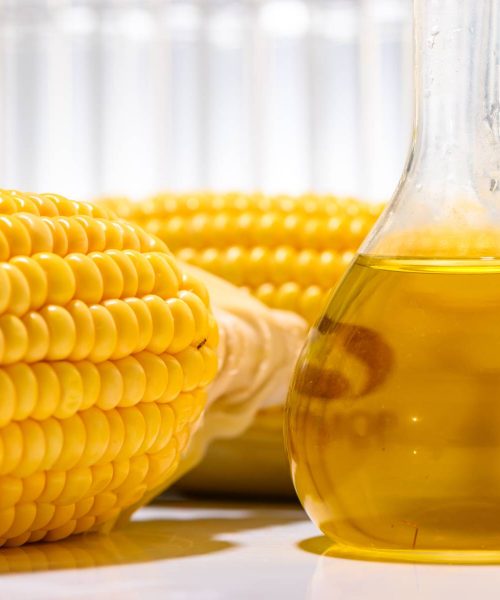
Ethanol from Corn and Sugarcane
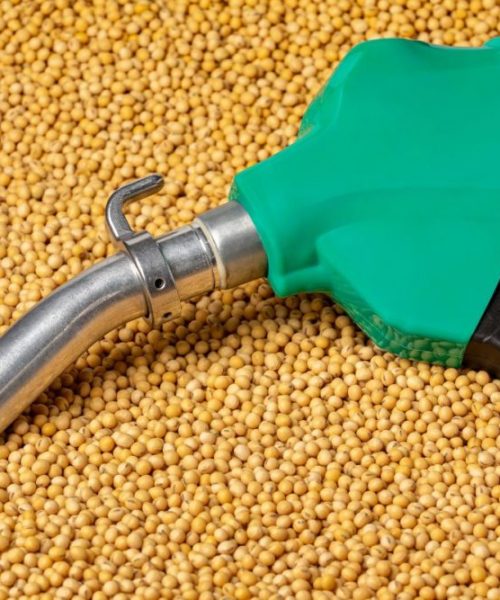
Biodiesel from Soybeans
Corn/Sugarcane to Ethanol
Ethanol is a domestically produced alternative fuel most commonly made from corn. It is also made from cellulosic feedstocks, such as crop residues and wood—though this is not as common. U.S. ethanol plants are concentrated in the Midwest because of the proximity to corn production. Plants outside the Midwest typically receive corn by rail or use other feedstocks and are located near large population centers.
High Efficiency
Sugarcane is renowned for its high sugar content, making it an incredibly efficient feedstock for ethanol production. Our advanced processing techniques ensure maximum ethanol yield with minimal waste.
Environmental Responsibility
We are committed to reducing greenhouse gas emissions. Sugarcane ethanol is a cleaner alternative to traditional fossil fuels, contributing to a healthier planet and a reduced carbon footprint.
Abundant Supply
Corn is a staple crop in the Nigeria while Sugarcane is easily come by too, and we've mastered the art of converting corn kernels into high-quality ethanol. Count on us for a reliable and consistent supply.
Economic Impact
By choosing Sparklet Energies, you're not just investing in sustainable energy but also supporting rural development and job creation within the corn ethanol industry.
Production
Starch- and Sugar-Based Ethanol Production
Most ethanol in the United States is produced from starch-based crops by dry- or wet-mill processing. Nearly 90% of ethanol plants are dry mills due to lower capital costs and We have brought this to Africa. Dry-milling is a process that grinds corn into flour and ferments it into ethanol with co-products of distillers grains and carbon dioxide. Wet-mill plants primarily produce corn sweeteners, along with ethanol and several other co-products (such as corn oil and starch). Wet mills separate starch, protein, and fiber in corn prior to processing these components into products, such as ethanol.
Cellulosic Production
Making ethanol from cellulosic feedstocks—such as grass, wood, and crop residues—is a more involved process than using starch-based crops. There are two primary pathways to produce cellulosic ethanol: biochemical and thermochemical. The biochemical process involves a pretreatment to release hemicellulose sugars followed by hydrolysis to break cellulose into sugars. Sugars are fermented into ethanol and lignin is recovered and used to produce energy to power the process. The thermochemical conversion process involves adding heat and chemicals to a biomass feedstock to produce syngas, which is a mixture of carbon monoxide and hydrogen. Syngas is mixed with a catalyst and reformed into ethanol and other liquid co-products.
Bio-Diesel from Soy
Soybean oil is currently a major feedstock for production of biodiesel (NBB). The most common method of biodiesel production is a reaction of vegetable oils or animal fats with methanol or ethanol in the presence of sodium hydroxide (which acts as a catalyst). The transesterification reaction yields methyl or ethyl esters (biodiesel) and a byproduct of glycerin.
Renewable Resource:
Soybeans provide a renewable and domestically sourced feedstock for biodiesel, reducing our dependence on fossil fuels and supporting African farmers.
Versatile Application
Soybean biodiesel is compatible with a wide range of vehicles and equipment, offering excellent performance and environmental benefits in various applications.
Reduced Carbon Footprint:
By choosing soybean biodiesel, you're not only making a sustainable choice but also actively contributing to a greener transportation sector with reduced emissions.
Production
Biodiesel Potential and Yield:
Soybeans play a pivotal role in the production of biodiesel, a renewable and eco-friendly alternative to conventional diesel fuel. Each bushel of soybeans can be processed to yield approximately 1.5 gallons of biodiesel. In the context of U.S. biodiesel production, soybeans are a vital feedstock, contributing significantly to the national effort to reduce dependence on fossil fuels and mitigate greenhouse gas emissions. However, it’s essential to acknowledge that while soybeans offer a valuable source of biodiesel, they are one component of a diverse and dynamic biofuel landscape. Comparatively, other oil-producing crops like canola, sunflower, and palm oil also contribute to the biodiesel sector, with varying levels of potential yield per acre.
Sustainable Growth and Economic Impact:
Soybean cultivation is not only vital for biofuel production but also has a substantial economic impact in rural communities across the United States. Beyond energy production, soybeans contribute to rural development and job creation, fostering economic prosperity in farming regions. The industry continually strives for sustainable growth, with research and development initiatives aimed at improving soybean yield, reducing waste, and enhancing energy efficiency. Furthermore, the adoption of biotech seeds, particularly herbicide-resistant varieties, has revolutionized weed control practices, ensuring a more productive and environmentally responsible soybean production process.
Join Us in Pioneering a Greener Future
Let's spark the energy revolution together!
Visit Us.
Head Office
Edo House Plot 1225,
Ahmadu Bello Way, Bar Beach, P.M.B. 7518,
Phone: +234 (1) 630 5030
info@sparkletenergies.com